Austin New Construction vs. Resale Homes: What Buyers Should Compare
Compare Austin new construction and resale homes by location, timing, incentives, inspections, warranties, and total cost before choosing your next move.
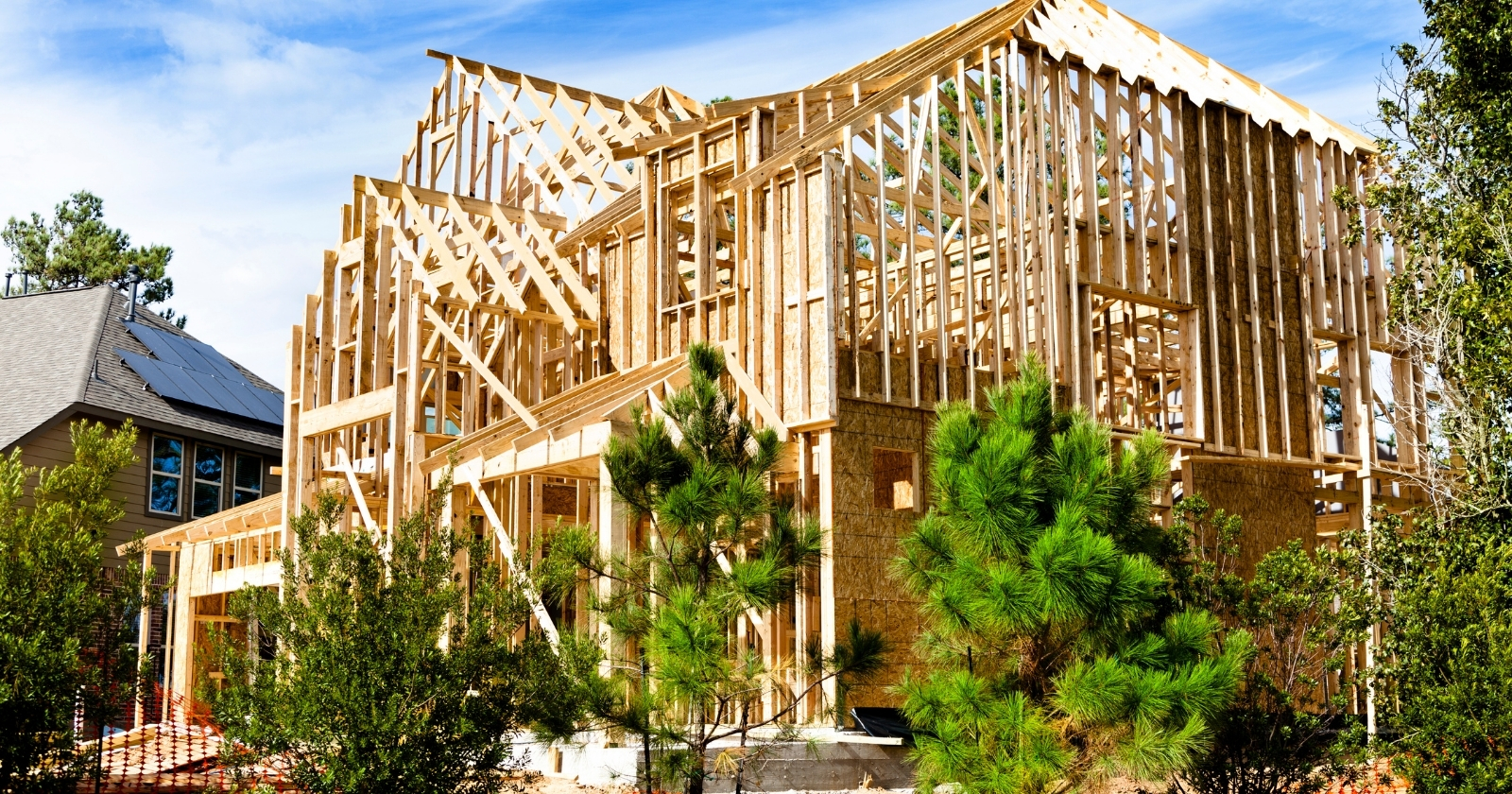
Choosing between a newly built home and an existing home is not simply a choice between “new” and “used.” In Austin, the better fit depends on where you want to live, when you need to move, how much uncertainty you can tolerate, and what the complete transaction costs look like.
Start with the homes that are actually available. Review live Austin homes for sale alongside Austin new construction inventory, then compare the options using the same budget and priorities.
Start with location, not the finish package
New construction is often concentrated in developing communities and growth corridors. Resale inventory may offer more choices in established neighborhoods closer to existing employment centers, schools, parks, and familiar travel routes. A lower base price can lose its advantage if the location adds a commute you do not want or if the completed neighborhood does not match your daily routine.
Compare the address, tax jurisdictions, utility providers, planned roads, community amenities, and nearby services before comparing countertops. For a resale home, review the existing surroundings. For a new community, ask what is open today, what is planned, and what is controlled by a third party.
Compare total cost, not advertised price
A builder’s advertised price may not include the lot premium, structural selections, design-center choices, landscaping, window coverings, appliances, or other items you expect to have at move-in. A resale home may include many of those items but could need repairs, insurance updates, or near-term replacement of major systems.
- Request a written itemization of the home, lot, options, deposits, and estimated closing charges.
- Compare property taxes using the relevant taxing entities rather than the seller’s current bill alone.
- Review HOA dues, transfer charges, utility setup, insurance, and expected maintenance.
- Keep an inspection and post-closing reserve in either scenario.
Treat incentives as financing terms, not free money
Builder incentives can change by community, home, lender, and closing deadline. A credit may be useful, but it should be compared with the interest rate, loan costs, price, and restrictions attached to it. Ask for a loan estimate and compare the full payment and cash-to-close figures with an outside financing option when appropriate.
Resale negotiations may involve price, repairs, closing-cost contributions, or other terms. The strongest structure depends on the property, seller, appraisal risk, and current competition. Neither side should be described as automatically cheaper.
Understand the timing difference
A completed new home can sometimes close quickly, while a home under construction depends on permitting, materials, inspections, utilities, and builder scheduling. If you have a lease ending or another home to sell, ask what happens if completion moves.
A resale contract typically uses a defined closing date, but inspections, title work, appraisal, repairs, and the seller’s move can still affect timing. Build flexibility into either plan.
Inspect both kinds of homes
New does not mean inspection-free. Buyers can discuss phased inspections for pre-drywall, final completion, and the warranty period when those inspections are permitted. Resale buyers should focus on the condition and remaining life of the roof, foundation, drainage, HVAC, plumbing, electrical system, and other major components.
Review the builder warranty or seller disclosures carefully. A warranty is not a substitute for understanding exclusions, claim procedures, and deadlines.
Use a side-by-side buyer worksheet
- Set one realistic monthly-payment and cash-to-close range.
- Choose acceptable locations and commute limits.
- List required features separately from cosmetic preferences.
- Calculate included items, immediate purchases, and likely first-year work.
- Compare contract flexibility, inspection rights, financing terms, and timing.
- Recheck the decision against current live inventory.
The practical next step
Tour at least one credible new-construction option and one credible resale option in the same price range. That turns an abstract preference into a comparison of real homes, locations, and numbers. Browse Austin homes for sale or build an Austin buyer plan with Ready Front Real Estate.
Leave a comment
Question, insight, or pushback — all welcome.
More from Ready Front Pulse

Lennar Homes for Sale in Austin: Prices, Communities, and Buyer Tips
Explore Lennar homes in Austin: pricing, communities, and essential buying tips.
Georgetown New Construction vs. Resale Homes: A Buyer Comparison
A practical Georgetown buyer guide comparing new construction with resale homes across location, community maturity, incentives, timing, inspections, and total cost.

Austin School District Rankings: Impact on Home Values in 2026
Explore how Austin school district rankings influence home values and buyer decisions in 2026.